
Chinese naming guides
Practical guides to choosing a Chinese name.

What Is My Name in Chinese? 3 Ways to Find Yours
Choose between a sound rendering, a meaning translation and a new Chinese name, with examples and a clear request you can take to a teacher.
Read the guideLatest guides
121–126 of 258 guides
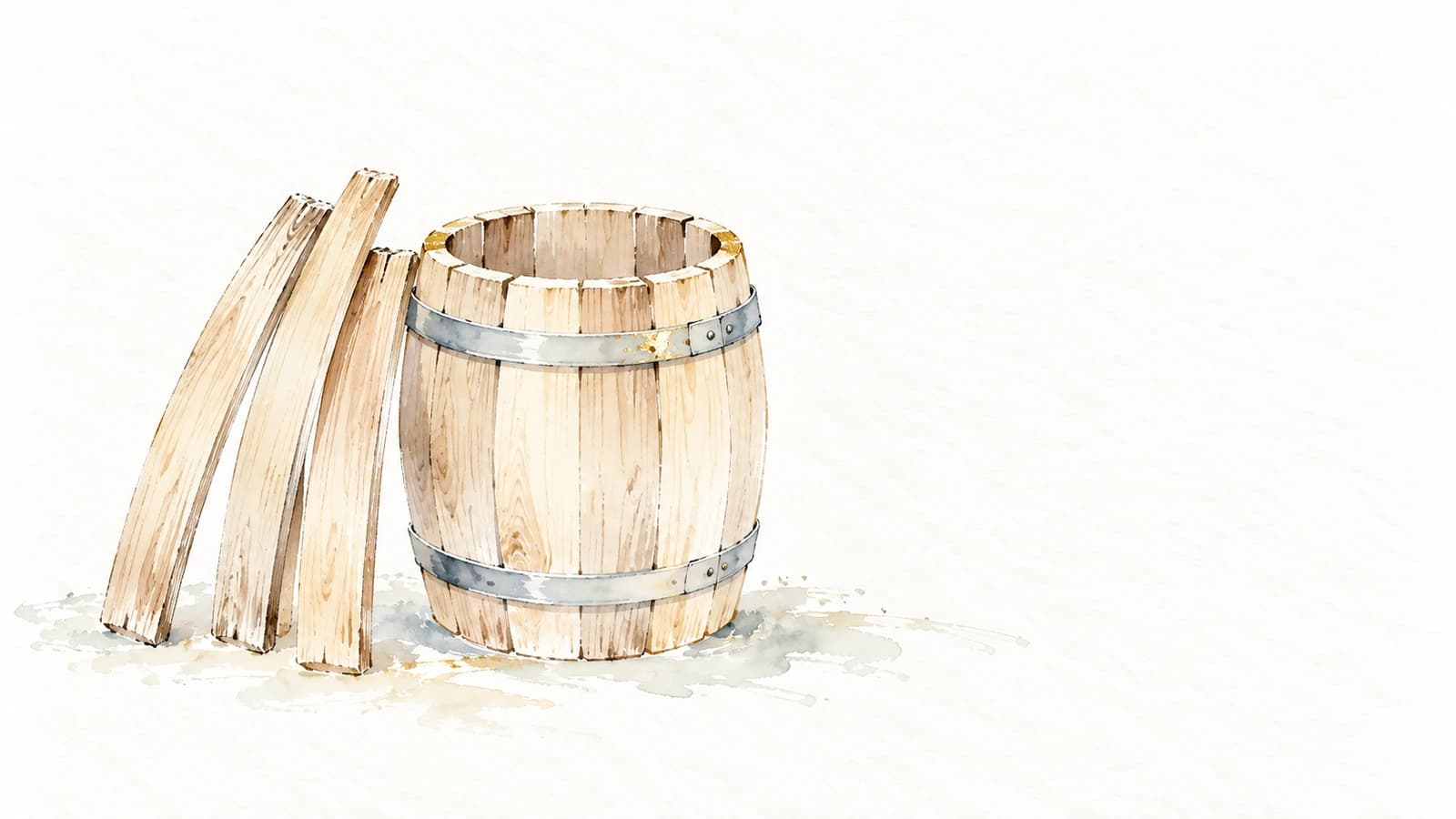
Cooper in Chinese: 库 Kù, 古 Gǔ or 木 Mù?
For Cooper, 库 Kù keeps the opening of 库珀, 古 Gǔ changes its sound, and 木 Mù recalls barrel-making wood. Compare the connection you want to keep.
Read the guide
Cox in Chinese: choosing 考 Kǎo or 寇 Kòu
考 Kǎo follows 考克斯; 寇 Kòu follows another attested Cox spelling. Compare their vowels, tones and associations, both losing the English ks ending.
Read the guide
Cruz in Chinese: 克 Kè, 柯 Kē or 路 Lù?
克 Kè keeps the opening of Cruz’s 克鲁兹; 柯 Kē changes its character and tone. 路 Lù offers a separate road association if that matters to you.
Read the guide
Davis or Davies in Chinese: 戴, 代 or 爱?
Compare 戴 and 代 for Davis or Davies, or choose 爱 for the older meaning of love. Keep each spelling, transcription and country statistic distinct.
Read the guide
Díaz in Chinese: 迪 Dí, 狄 Dí or 邸 Dǐ?
Díaz’s 迪亚斯 suggests 迪 Dí. Compare same-sound 狄 Dí and third-tone 邸 Dǐ, without treating the uncertain Diego origin as a translation of “teacher”.
Read the guide
Doe in Chinese: 多 Duō or 鹿 Lù?
If Doe is your surname, 多 Duō keeps the opening of 多伊. 鹿 Lù offers a deer association; neither choice depends on the John Doe placeholder.
Read the guideA Chinese name that starts with you.
See how a guided conversation brings your preferences, meaning, and sound together.