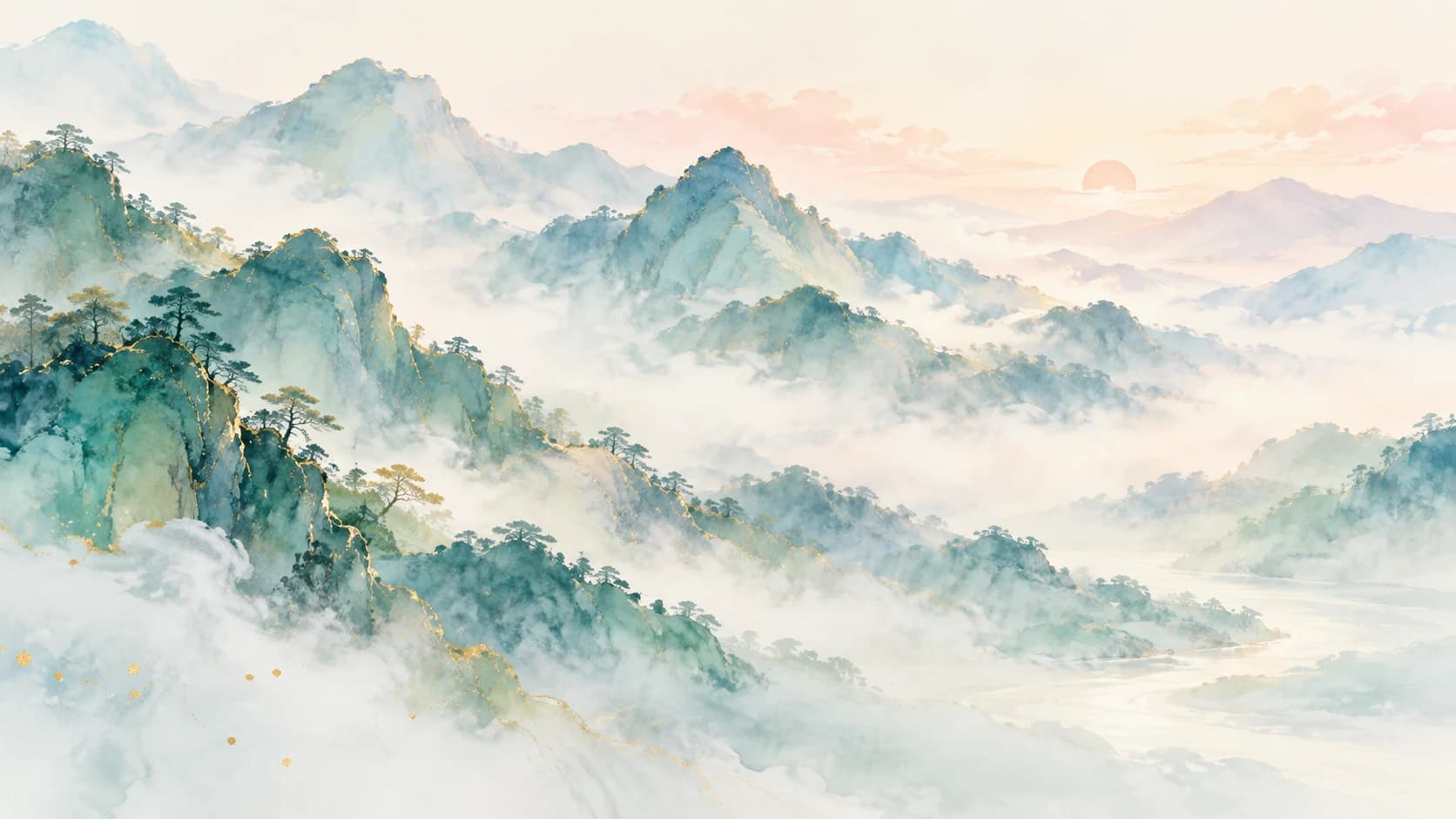
Vitality can be an energetic declaration or a living landscape. 振生 is the most direct of these masculine Chinese names; 茂林 describes abundant growth, while 景阳 and 旭川 turn toward light. 启荣 adds a beginning. Decide whether your name should foreground personal engagement with life or let a natural scene carry that energy.
These are complete editorial suggestions for adults choosing their own Chinese name: a surname followed by a two-character given name. Keep your existing Chinese surname if you have one. The style label describes our impression of the full name, not a restriction on who may use it.
Compare all three presentations in the Vitality name guide.
1. 陆振生 Lù Zhènshēng: Rousing the energy of life
Example full name: 陆振生 — Lù Zhènshēng. Base tones: 4–4–1. The complete name has dictionary tones 4–4–1. Try the given name with your own surname.

陆振生
In Chinese you can call me陆振生
Rousing the energy of life
Rousing the energy of life An existing illustrated design selected for this name card.
振生 states the theme energetically. 振 gives motion to 生, life and growth. Its direct, traditional masculine presentation suits a reader who wants an active commitment to living rather than a quiet landscape.
Meanings: 振 contributes to rouse; 生 contributes life. [1]
Sound and everyday use: The dictionary-tone sequence is 4–4–1. 振 sounds like 震 but carries the intended rousing sense here. The name expresses an aspiration, not a guarantee about health or energy.
2. 陈茂林 Chén Màolín: A flourishing grove
Example full name: 陈茂林 — Chén Màolín. Base tones: 2–4–2. The complete name has dictionary tones 2–4–2. Try the given name with your own surname.
陈茂林
In Chinese you can call me陈茂林
A flourishing grove
A flourishing grove An existing illustrated design selected for this name card.
茂林 gives vitality a visible landscape: trees growing abundantly. It is grounded and traditional rather than overtly heroic. Compared with 振生, the life belongs to the scene instead of being announced as personal vigor.
Meanings: 茂 contributes flourishing; 林 contributes a grove. [2]
Sound and everyday use: The dictionary-tone sequence is 2–4–2. 茂 mào sounds like 貌. If your own surname is 林, test the repeated 林 in the resulting full name before choosing this given name.
3. 周景阳 Zhōu Jǐngyáng: A landscape filled with daylight
Example full name: 周景阳 — Zhōu Jǐngyáng. Base tones: 1–3–2. The complete name has dictionary tones 1–3–2. Try the given name with your own surname.
周景阳
In Chinese you can call me周景阳
A landscape filled with daylight
A landscape filled with daylight An existing illustrated design selected for this name card.
景阳 builds an image of a landscape receiving sunlight. Its vitality is brightness and an active sense of day. The full name has a broad, masculine-leaning presentation without needing a martial character.
Meanings: 景 contributes scene; 阳 contributes sunlight. [3]
Sound and everyday use: The dictionary-tone sequence is 1–3–2. 景 jǐng is third tone; 京 jīng is first tone. Explain “风景的景,阳光的阳” if the spelling is unclear.
4. 杜旭川 Dù Xùchuān: Morning light over a river
Example full name: 杜旭川 — Dù Xùchuān. Base tones: 4–4–1. The complete name has dictionary tones 4–4–1. Try the given name with your own surname.
杜旭川
In Chinese you can call me杜旭川
Morning light over a river
Morning light over a river An existing illustrated design selected for this name card.
旭川 places morning light beside flowing water. The moving landscape makes vitality feel spacious rather than hectic. It is the most image-led of the masculine choices, suitable for a more literary introduction.
Sound and everyday use: The dictionary-tone sequence is 4–4–1. 旭川 is also the written name of Asahikawa in Japan. Readers familiar with that city may notice it; decide whether you welcome the association. [5]
5. 宋启荣 Sòng Qǐróng: Opening a season of growth
Example full name: 宋启荣 — Sòng Qǐróng. Base tones: 4–3–2. The complete name has dictionary tones 4–3–2. Try the given name with your own surname.
宋启荣
In Chinese you can call me宋启荣
Opening a season of growth
Opening a season of growth An existing illustrated design selected for this name card.
启荣 combines a beginning with flourishing. It gives vitality an unfolding direction, like the start of a growing season. 荣 is used in its botanical sense here, though its honor-related meanings remain familiar.
Meanings: 启 contributes to open; 荣 contributes to flourish. [6]
Sound and everyday use: The dictionary-tone sequence is 4–3–2. Listeners may think of honor before vegetation when hearing 荣. Use 荣茂 or 草木欣荣 to explain the chosen sense.
Compare the five choices
| Name | Main emphasis | Dictionary tones |
|---|---|---|
| 陆振生 Lù Zhènshēng | Rousing the energy of life | 4–4–1 |
| 陈茂林 Chén Màolín | A flourishing grove | 2–4–2 |
| 周景阳 Zhōu Jǐngyáng | A landscape filled with daylight | 1–3–2 |
| 杜旭川 Dù Xùchuān | Morning light over a river | 4–4–1 |
| 宋启荣 Sòng Qǐróng | Opening a season of growth | 4–3–2 |
A plant name makes growth visible; a light name offers atmosphere. Think about the image you would happily explain in an ordinary introduction, including on a quiet day. Say the full name with your own surname and compare the characters in the script you use. These are life-affirming meanings, rather than predictions about health or constant energy.
How do the other styles compare?
Explore different full-name choices in the feminine guide and gender-neutral guide. Start with the meaning you want, then compare the sound and the amount of explanation each name needs.